

Hey You, Cheese Lover…” A Little Italian Popular Cheese for Your Kitchen…
Let’s talk about something simple…Let’s break down some of popular Italian cheeses simply from The Soft Heartbreaker “Mozzarella” 😍 to the one you never forget “Gorgonzola” ⚡
It’s Not Just Cheese – It’s Craft, Time, and Obsession
While France is famous for cheese, Italy certainly gives it a run for its revenue. In Italy, cheese is a tradition passed down through generations.
Take Mozzarella – soft, fresh, and meant to be eaten almost immediately after it’s made,
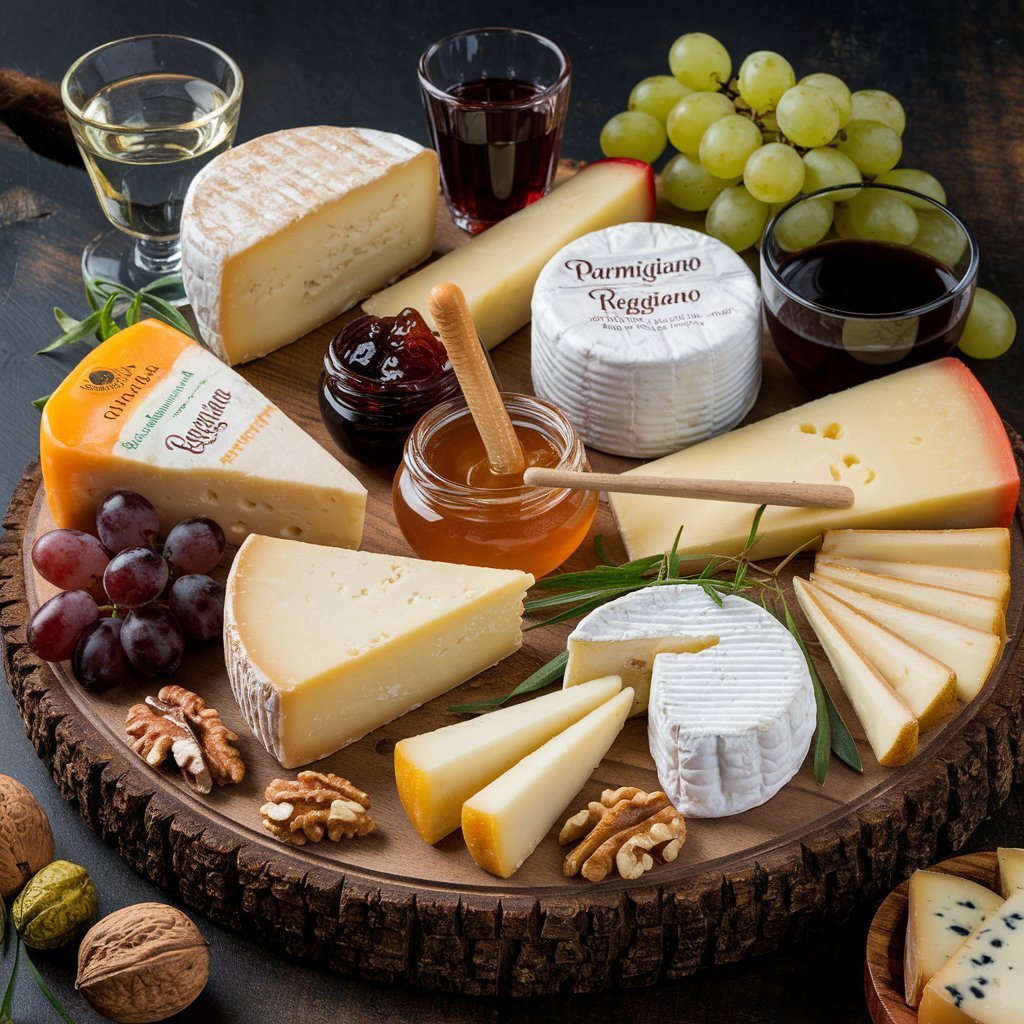
Then Parmigiano-Reggiano – Often referred to as the “King of Cheeses,” it’s a cow’s milk cheese that comes from the Emilia-Romagna region of Italy.
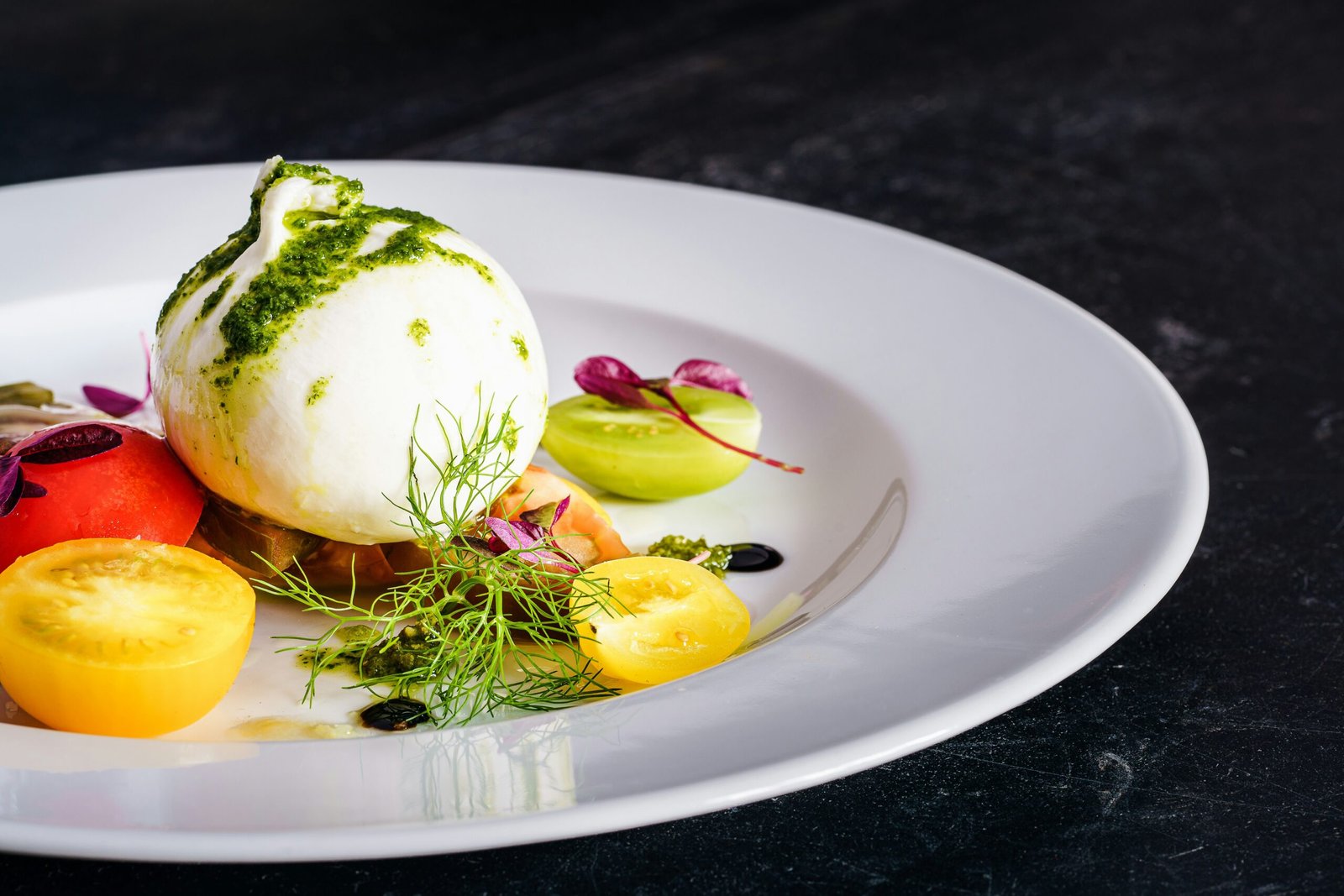
Or Burrata – which looks simple on the outside, but inside? Pure creamy indulgence.
Then there’s Gorgonzola – a traditional Italian blue-veined cheese made from cow’s milk, known for its bold aroma, creamy texture, and distinctive tangy flavor.
Then let’s dive into what truly defines the authenticity of Italian cheese.
Why DOP Matters in Italian Cheeses
DOP – “Denominazione di Origine Protetta” (Protected Designation of Origin), is a certification that ensures the cheese, or other Italian food you’re enjoying is authentic.
When it comes to Italian cheese, the DOP label is compulsory. A DOP cheese must be produced, processed, and prepared in a specific region of Italy.
For example, Parmigiano Reggiano can only come from certain provinces like Emilia-Romagna.
DOP cheeses are made using time-tested techniques, often passed down for generations.
No shortcuts. No mass-production tricks.
Just authentic craftsmanship.
So, DOP is a quick way of knowing you’re buying the real thing.
Why Does Cooking with Italian Cheeses Hits Differently?
You’ve probably had cheese before.
But this… hits differently.
Here’s why:
Italian cheese turns ordinary dishes into extraordinary culinary experiences. These cheeses often use fresh, local milk – cow, buffalo, or sheep – each bringing a unique flavor.
When cooking with Italian cheese, remember that each type requires specific methods .For example, while we can use fresh cheeses on the minimal heat, the hard cheeses should be added only at the end of cooking.
✨ Curious enough to try? 😉
Your next favorite dish is waiting 😋


Leave a Reply